

-KH News Desk
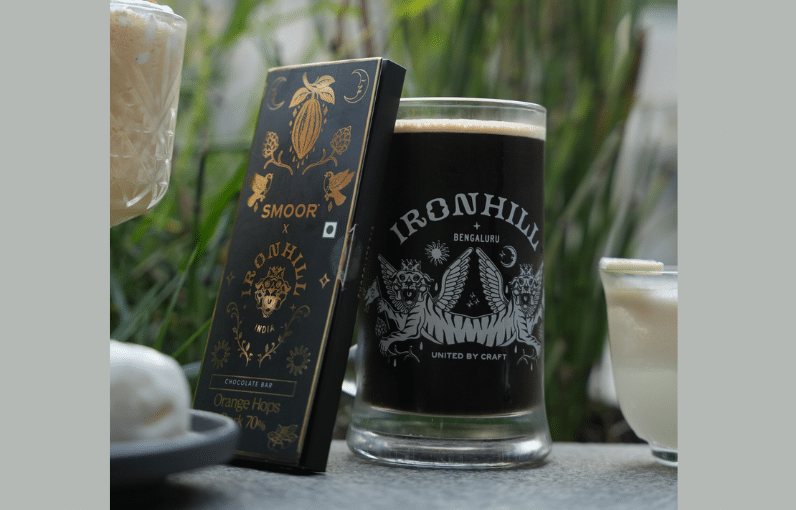
The craft beverage landscape is witnessing a sophisticated evolution as the unexpected marriage of beer and chocolate moves from a niche experimental novelty to a mainstay of gourmet tasting menus. While the pairing of dark stouts and chocolate desserts is a classic, contemporary artisans are pushing boundaries by pairing crisp lagers, citrusy IPAs, and even sour ales with complex, single-origin cacao.
The chemistry behind this pairing lies in the shared complexity of the two ingredients. Both beer and chocolate undergo fermentation and roasting, creating overlapping flavor profiles characterized by bitterness, acidity, and toasted notes.
The Science of the Sip and Bite:
Contrast vs. Complement: Darker beers like Porters and Stouts complement the deep, roasted notes of dark chocolate. Conversely, a tart Raspberry Sour can provide a sharp contrast to a creamy White Chocolate, cutting through the fat and cleansing the palate.
The Role of Tannins: Just like wine, chocolate contains tannins. When paired with high-IBU (International Bitterness Units) beers like Double IPAs, the hops can either clash with or accentuate the earthy bitterness of high-cacao chocolate.
Texture Matters: The carbonation in beer acts as a “scrubber” for the palate, lifting the heavy cocoa butter off the tongue and preparing it for the next nuanced bite.
Emerging Trends in the Pairing Scene:
Infused Brews: Breweries are increasingly collaborating with artisanal chocolatiers to create “Chocolate Infused” beers, using nibs, husks, or even full bars during the conditioning phase.
Interactive Tasting Rooms: High-end brewpubs in cities like Bengaluru are now offering “Flight & Foil” boards, featuring four 150ml tasters paired with specific chocolate truffles.
Seasonal Collaborations: Expect a surge in limited-edition pairings during the winter and festive seasons, where heavier, barrel-aged beers are matched with spiced or salted chocolates.
Expert Take: Cicerones (beer sommeliers) suggest starting with the lightest beer and the lightest chocolate, gradually moving toward more intense profiles. The goal is to find a “bridge flavor”—such as caramel, citrus, or coffee—that exists in both the brew and the bean.
