


Chokkapan S (cbedit@imaws.org)
Bengaluru: India’s technology capital, Bengaluru, is now fast cementing its reputation as the country’s most influential culinary innovation hub, with restaurateurs, cafés, breweries and experimental dining formats collectively reshaping the nation’s food and beverage landscape. Yet, beneath the city’s celebrated cosmopolitan dining culture lies an industry grappling with policy bottlenecks, operational strain, rising costs and a growing talent vacuum.
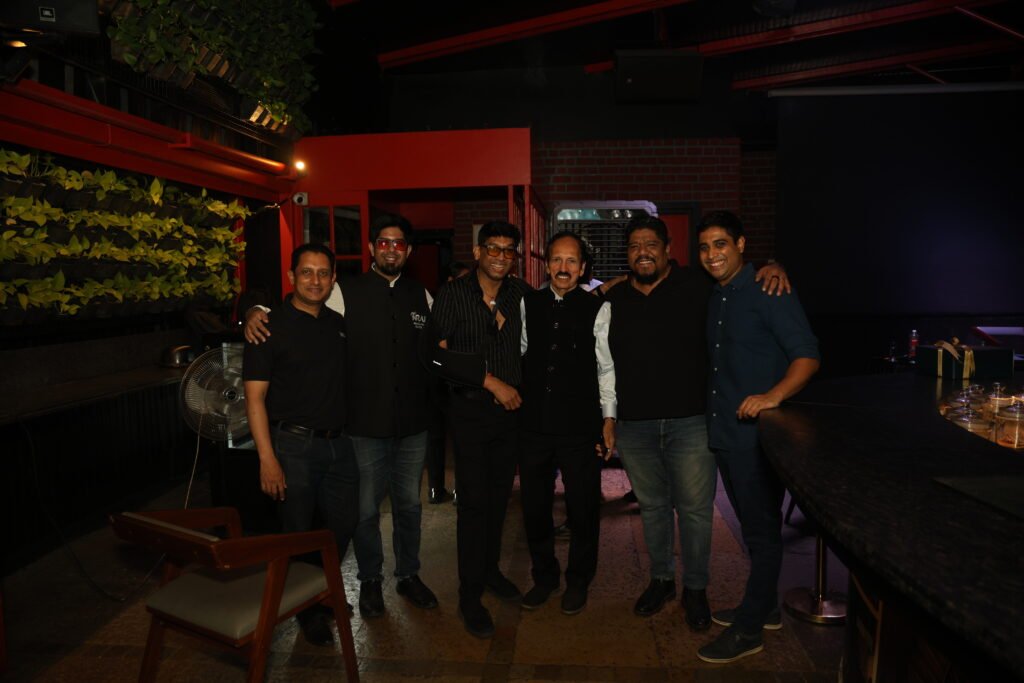
According to Ananth Narayan, Chapter Head of the NRAI (National Restaurant Association of India) Bengaluru Chapter, the city is no longer merely a food market, and it has evolved into a testing ground for the future of Indian hospitality. “Bengaluru isn’t a market anymore, it’s a laboratory,” Ananth said in an exclusive interaction with Kitchen Herald. “Every concept India will see in 2030, somebody is testing on Brigade Road or Indiranagar or elsewhere in Bengaluru tonight. The city rewards risk and punishes non-innovators.”
This culture of experimentation, he noted, has transformed Bengaluru into a uniquely fluid culinary ecosystem, wherein regional traditions co-exist effortlessly with international influences. From donne biryani counters and military-style eateries to Korean street food cafés, natural wine bars, artisanal bakeries and Michelin-trained chefs, the city thrives on culinary remixing rather than rigid food identities.
“Bengaluru eats like it codes: open-source,” Ananth observed. “No other Indian city lets a ‘naati style’ joint and a Michelin-trained chef share the same street and the same customer. That’s our identity — the remix.”
The Battle for Structural Reform
While Bengaluru’s dining economy continues to attract investors, entrepreneurs and consumers, the industry’s optimism is tempered by longstanding structural and policy concerns.
For the NRAI Bengaluru Chapter, the immediate focus revolves around three critical areas: restoration of Input Tax Credit (ITC), simplification of licensing procedures, and rationalisation of the LPG-to-PNG transition for restaurant operators. “Restaurants don’t need subsidies. We need sanity,” Ananth remarked sharply.
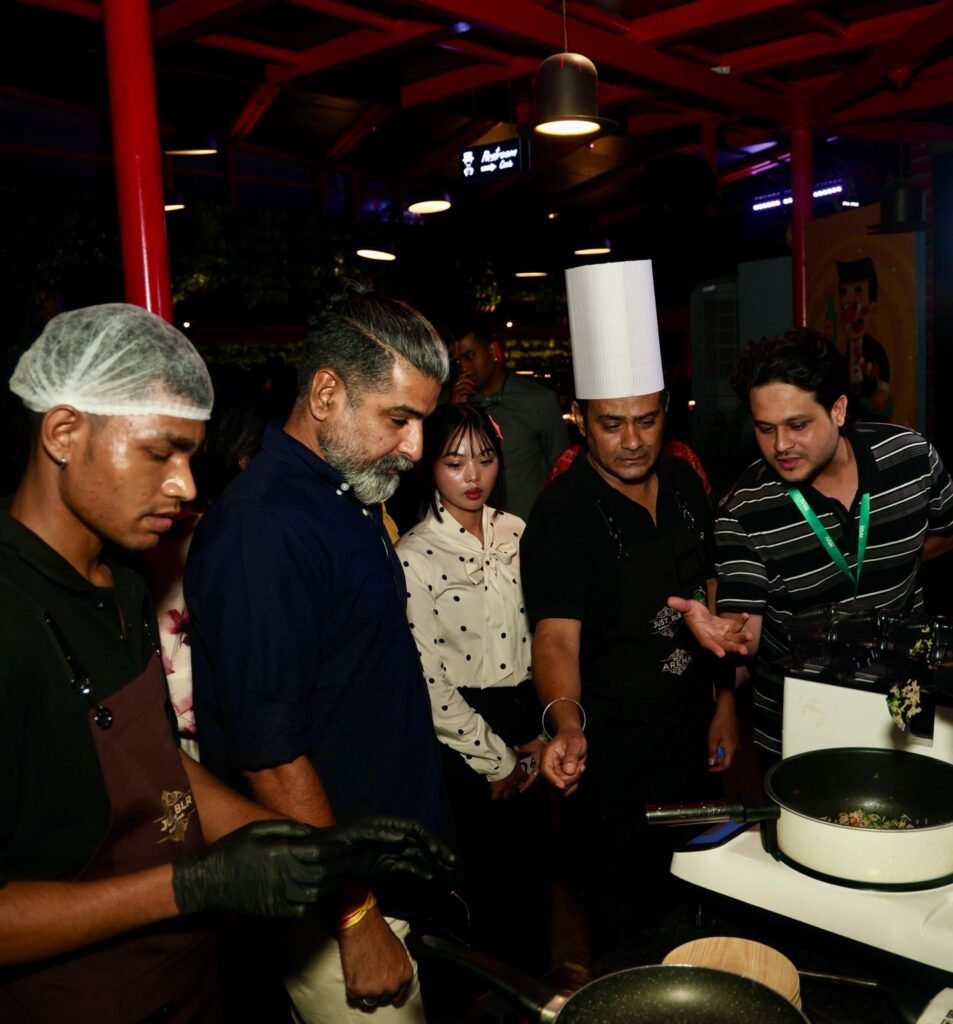
He pointed out that the current GST framework disproportionately burdens restaurants by taxing input costs without allowing operators to claim corresponding credits. “Bring back Input Tax Credit; we’re the only industry taxed on inputs we can’t claim,” he said, adding that the present compliance environment forces restaurateurs into navigating a maze of approvals and permissions. “Today, we chase up to dozens of permissions to sell one biryani,” he pointed out, underscoring the urgent need for a streamlined single-window clearance mechanism.
The ongoing transition from LPG to PNG infrastructure has also emerged as a growing concern, particularly for smaller operators struggling to absorb escalating operational costs, even as they are adapting to changing regulatory expectations.
Bengaluru’s New Consumer: Informed, Experimental and Unpredictable
Beyond regulation, Bengaluru’s hospitality landscape is also undergoing a dramatic behavioural shift driven by social media, food delivery ecosystems and rapidly changing consumer expectations.
According to Ananth, the city’s diners have become simultaneously more aware and less predictable than ever before. “The Bengaluru guest has become the most informed, least loyal diner in India,” he remarked. “They’ll queue up 90 minutes for a new café and ghost their favourite in just a week.”
In this evolving ecosystem, Instagram and algorithm-driven discovery mechanisms have effectively replaced conventional food criticism and organic word-of-mouth marketing.
“Instagram is the new word-of-mouth, and the algorithm is the new food critic,” he said, adding that restaurants can no longer rely purely on discount-driven growth strategies. “Discounting doesn’t build love anymore; innovation and story do.”
The phenomenon reflects a broader transformation in urban dining behaviour, where consumers increasingly seek immersive experiences, novelty and narrative-driven concepts alongside food quality itself.
Post-Pandemic Pressures and the Talent Crisis
Despite Bengaluru’s continued hospitality boom, restaurant operators are simultaneously confronting a difficult post-pandemic economic reality marked by manpower shortages, inflationary pressures, escalating rentals, utility costs and mounting dependence on food aggregators.
For Ananth, however, the industry’s single biggest concern remains workforce availability. “Manpower, manpower, manpower,” he reiterated. “We’re paying metro wages for talent that wants to be influencers, not stewards.”
The challenge, he elucidated, extends beyond recruitment into long-term retention and skill development. Rising aggregator commissions continue to erode already thin restaurant margins, while electricity tariffs and infrastructure-related expenses compound quarterly operational pressures. “The math has changed, but the menu hasn’t caught up,” he averred, succinctly capturing the widening gap between operational realities and consumer pricing expectations.
Building a Unified Hospitality Voice for Karnataka
Looking ahead, the NRAI Bengaluru Chapter is focusing aggressively on industry formalisation, collaboration and institutional strengthening.
One of the association’s major goals is to consolidate more than 20 food and beverage associations across Karnataka into a unified ‘okkuta’ or collective platform capable of representing the sector with greater negotiating strength and policy influence.
“Formalise the unorganised, and get over 1,000 members under one voice,” Ananth said. The chapter also plans to work closely with hotel management institutions and colleges to build a sustainable talent pipeline for the hospitality sector, while simultaneously pushing for a healthier government-industry relationship. “Push the government from adversary to partner,” he stated.
At the heart of the NRAI Bengaluru Chapter’s vision lies a broader ambition: securing formal recognition for hospitality as a serious economic industry instead of merely treating it as a fragmented lifestyle business. “And prove that hospitality is an industry, not a hobby for romantics,” Ananth concluded, adding, “Bengaluru deserves a restaurant ecosystem as serious as its tech ecosystem.”
