

-KH News Desk (editorial1@imaws.org)
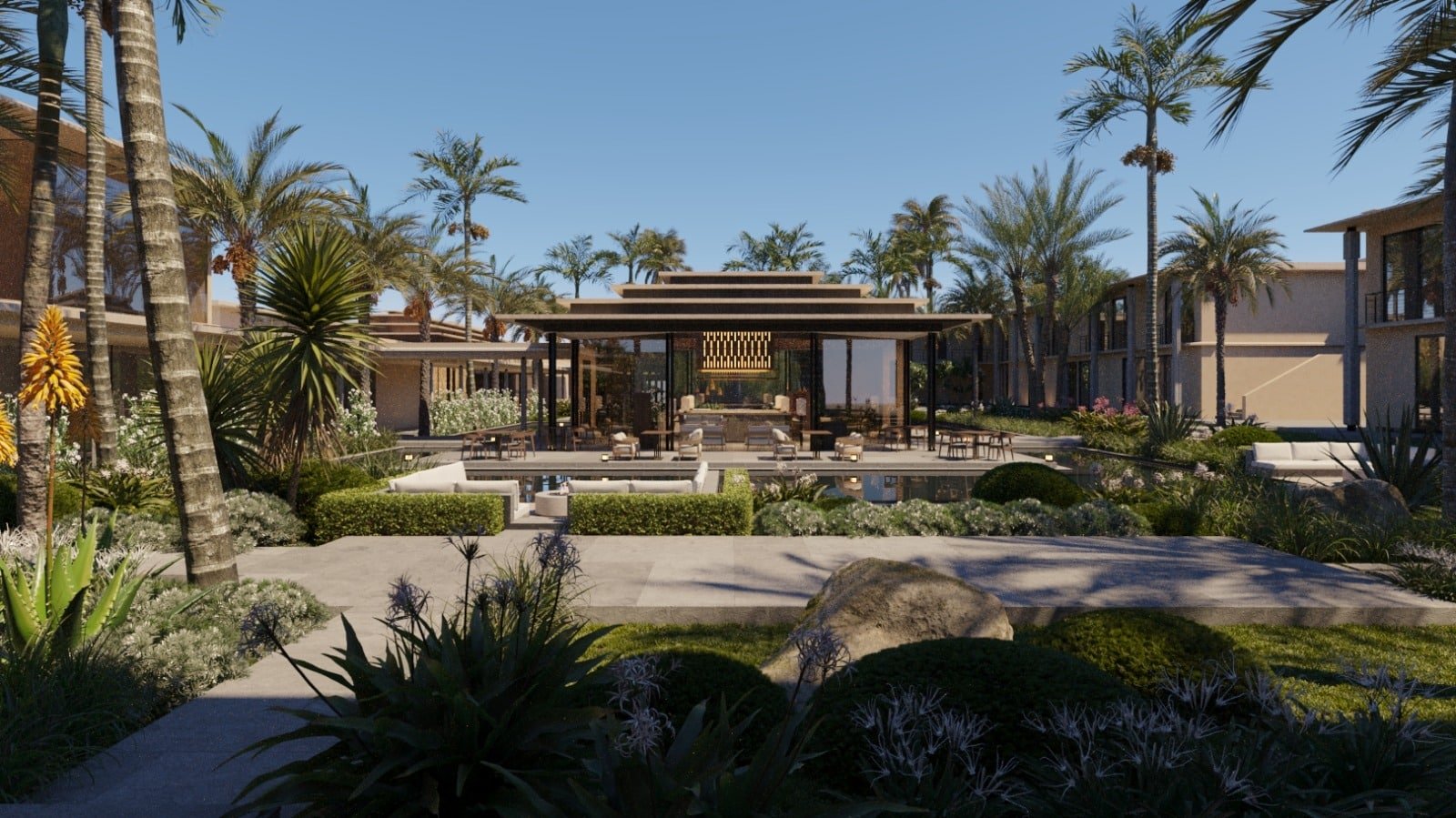
Taj Hampi Reimagines Hospitality Through a Unique Landscape-Led Experience as part of a highly conscious development framework to harmonize luxury hospitality with the historical, cultural, and geological context of the region. Formally announced by landscape design firm Ecoscapes Landscaping, the marquee development extends across an expansive estate layout of nearly 11 acres in Hampi, Karnataka. Developed under the prestigious Taj banner by Indian Hotels Company Limited (IHCL), the upcoming premium project makes a deliberate operational statement by allocating a massive, continuous 2.5-acre parcel exclusively to sustainability-focused and regionally sensitive landscape design.
The core design strategy behind the estate draws deep creative inspiration from the distinct geography, raw ecology, and vast cultural history of the ancient Vijayanagara Kingdom. Rather than superimposing generic luxury landscaping models onto the sensitive site, the project is structured to seamlessly embrace Hampi’s iconic terrain, natural stone formations, and ancient hydraulic frameworks. The architectural master plan is led by Mumbai-based principal architect Shimul Javeri Kadri of SJK Architects, while Prasad Deshpande of Dhruv Desh Ventures represents the primary project promoter side.
To deliver an authentic, world-class presentation, Ecoscapes Landscaping has partnered with celebrated international landscape architect John Pettigrew, integrating extensive global hospitality experience into the project’s outdoor design. Pettigrew noted that the main objective was to work as naturally with the existing environment as possible. By layering outdoor experiences with local elements, the team is crafting an immersive destination that highlights ecological sensitivity rather than relying purely on visual aesthetics, ensuring the finished luxury resort retains an enduring, deeply rooted sense of place.
Climate-Responsive Flora and Historical Water Features
The property’s physical environment is meticulously engineered to minimize its ecological footprint while maximizing guest engagement with nature. The layout integrates a central water installation inspired directly by Hampi’s historic Kalyani and Kund stepping structures, complete with floating stepping stones. To ensure strict environmental sustainability, the landscape architecture integrates reused site boulders and natural granite finishes found directly on the land during early planning phases.
The vegetation strategy relies entirely on low-maintenance, climate-responsive, and native species selected to withstand the region’s semi-arid microclimate, featuring:
Shade and Canopy Trees: Integrated planting of native Neem and Kadamba trees to create natural cooling zones and pocket forests.
Arid Flora Layers: Clusters of Agaves and distinct cactus varieties positioned to mirror the rocky natural landscape.
Ornamental Accents: Extensive beds of native fountain grasses used to add soft textures against the hard stone architectural lines.
This plant selection is supported by water-efficient irrigation networks designed to keep ongoing consumption exceptionally lean. Prasad Deshpande, Owner of Dhruv Desh Ventures, affirmed that local craftsmanship and ecological responsibility are central to their long-term commercial goals for the project. Currently, the development signals a growing luxury hospitality trend across India’s heritage tourism circuits, where premium developers are shifting capital away from heavy, isolated indoor designs to embrace landscape-first models that respect the natural environment and appeal directly to modern, experience-driven leisure travelers.
