

-KH News Desk (editorial1@imaws.org)
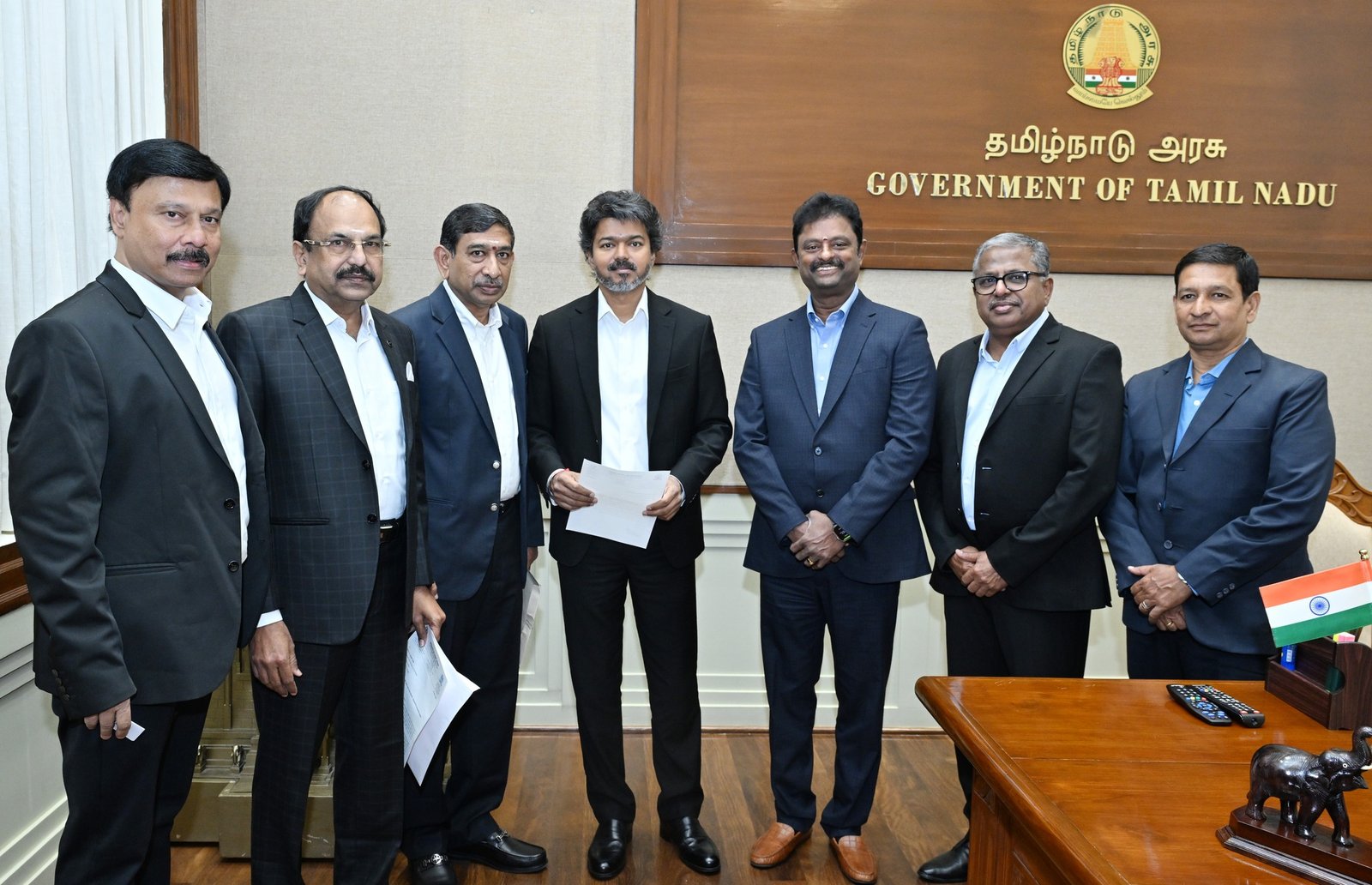
The Tamil Nadu Hotels Association, representing nearly one lakh hotels and restaurants across the state, has officially submitted a formal representation to the newly formed government led by Honourable Chief Minister Thiru. C. Joseph Vijay. The memorandum highlights severe financial stress gripping the hospitality and food service industry due to unprecedented increases in LPG prices, irregular gas supply, rising electricity costs, and escalating labor expenses.
As an industry that generates lakhs of direct and indirect jobs while providing essential food services, the association has called for immediate policy interventions to ensure long-term sustainability and growth.
Delayed MSME Benefits Hamper Recovery
Despite the Central and State governments classifying hotels and restaurants under the Micro, Small, and Medium Enterprises (MSME) sector during the COVID-19 pandemic, key operational benefits remain unfulfilled. The association pointed out that critical relief measures, including reduced property and building taxes, industrial electricity tariffs, concessional utility charges, and various MSME incentives or subsidies, have not been effectively implemented on the ground. Restaurant operators are urging the state administration to issue definitive orders enabling businesses to fully access these promised rollouts.
A Push for Renewable Energy Access
With high commercial LPG prices making traditional cooking systems economically challenging, many food establishments are looking to transition to induction-based and electric kitchen infrastructures. However, current state policies restrict solar and wind power procurement via third-party purchase or captive generation mostly to High Tension (H.T.) electricity consumers.
Since a vast majority of regional eateries operate under Low Tension (L.T.) connections, the association has requested open access and captive consumption facilities for L.T. commercial consumers. This move aims to accelerate clean energy adoption, minimize kitchen emissions, lower overarching operational expenses, and decrease peak demand pressure on the state grid. Furthermore, the industry is seeking net metering facilities for rooftop solar installations with full credit for surplus power generated, matching the structure available to domestic households.
Arbitrary Curfews and Operational Hurdles
While both Central and State regulations legally permit restaurants to operate on a 24×7 basis—backed by supportive directives from the Hon’ble High Court—local enforcement continues to present roadblocks. The memorandum stated that local police authorities in several districts regularly pressure food establishments to shut down by 11:00 PM.
This localized interference causes significant revenue losses and disrupts the business environment. The association has formally requested the Chief Minister’s Office to issue clear, streamlined administrative instructions to the Police Department to respect legally permitted business hours and ensure adequate protection for law-abiding food businesses.
