

Chokkapan S (cbedit@imaws.org)
The role of the modern HoReCa distributor is undergoing a fundamental transformation. In India as well as across other global markets. As India’s foodservice industry, in particular, enters a new phase of organised growth, driven by the rapid expansion of cloud kitchens, quick service restaurants (QSRs), café chains and premium dining formats, distributors are being called upon to play a far more strategic role than ever before.
Recent industry estimates peg the Indian foodservice market at over US$126 billion in 2026, with projections indicating it could more than double to US$280 billion by 2034, thereby underscoring the scale of opportunities across the HoReCa ecosystem.
Against this backdrop, the traditional distributor is no longer viewed merely as an intermediary responsible for procuring and delivering products. Today’s foodservice operators expect their distribution partners to provide market intelligence, demand forecasting, sourcing expertise, menu innovation support and technology-enabled supply chain solutions.
As procurement becomes increasingly data-driven and customer expectations continue to evolve, distributors are emerging as strategic partners that help hotels, restaurants, cafés and cloud kitchens improve operational efficiency, optimise costs and stay ahead of rapidly-changing consumer preferences.
Distributors no longer mere product suppliers
“The shift has been driven by changing market dynamics, increasing competition within the HoReCa sector and the growing demand for specialised products and value-added services,” shares Tejus PN, Sales and Marketing Head at Shagun Ventures — a foodservice products super-stockist and distributor from Bengaluru.
“Distribution today is only one part of the value we create,” he iterates in a conversation with Kitchen Herald, “Our role extends beyond supplying products to working closely with customers in improving efficiency, profitability and menu innovation.”

Rather than adopting a one-size-fits-all approach, Shagun Ventures works closely with businesses across segments — from boutique cafés and cloud kitchens to multi-outlet restaurant chains — to understand their unique requirements. This includes recommending products suited to specific business models, introducing emerging food trends, optimising procurement costs and ensuring uninterrupted product availability.
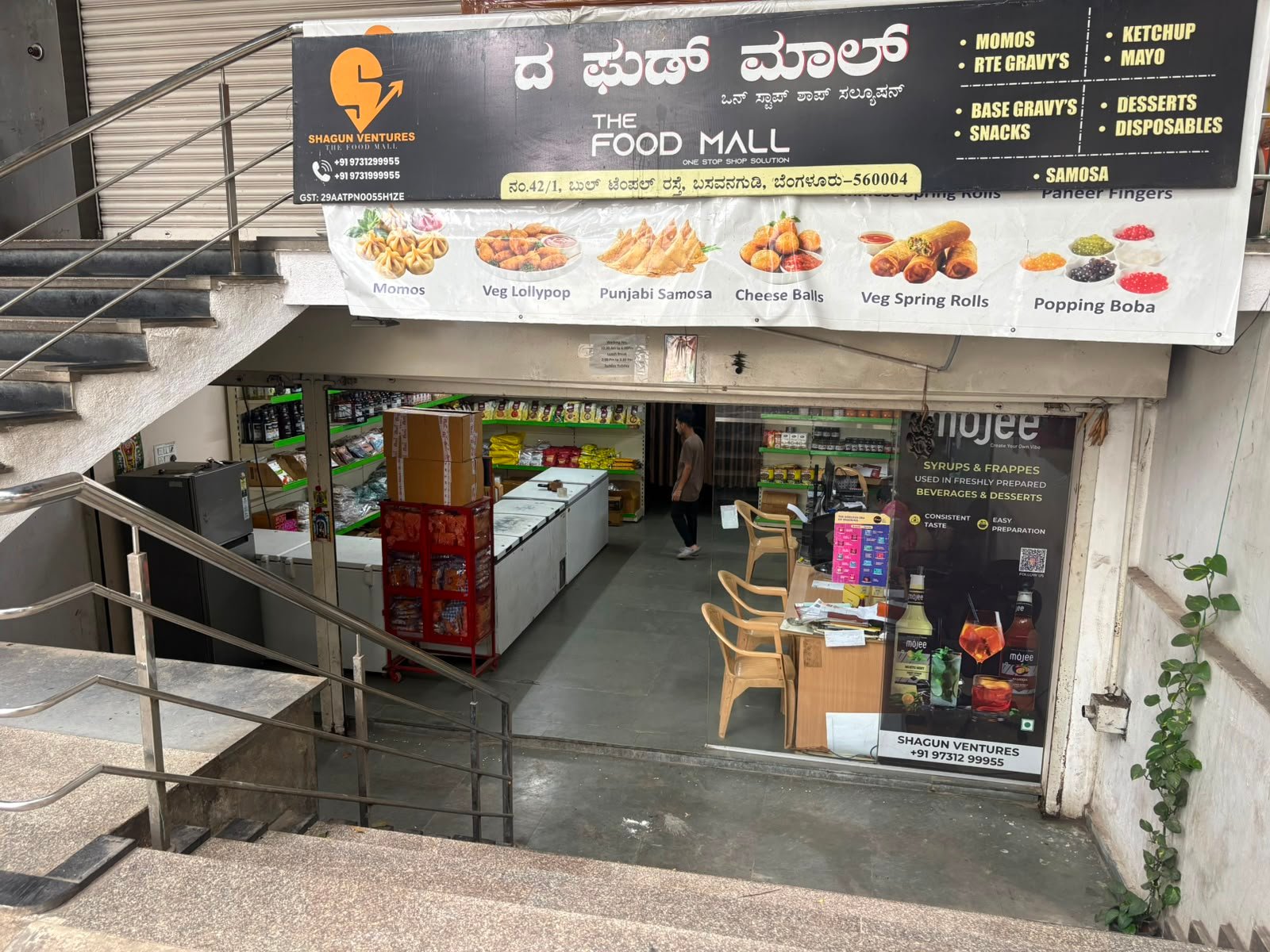
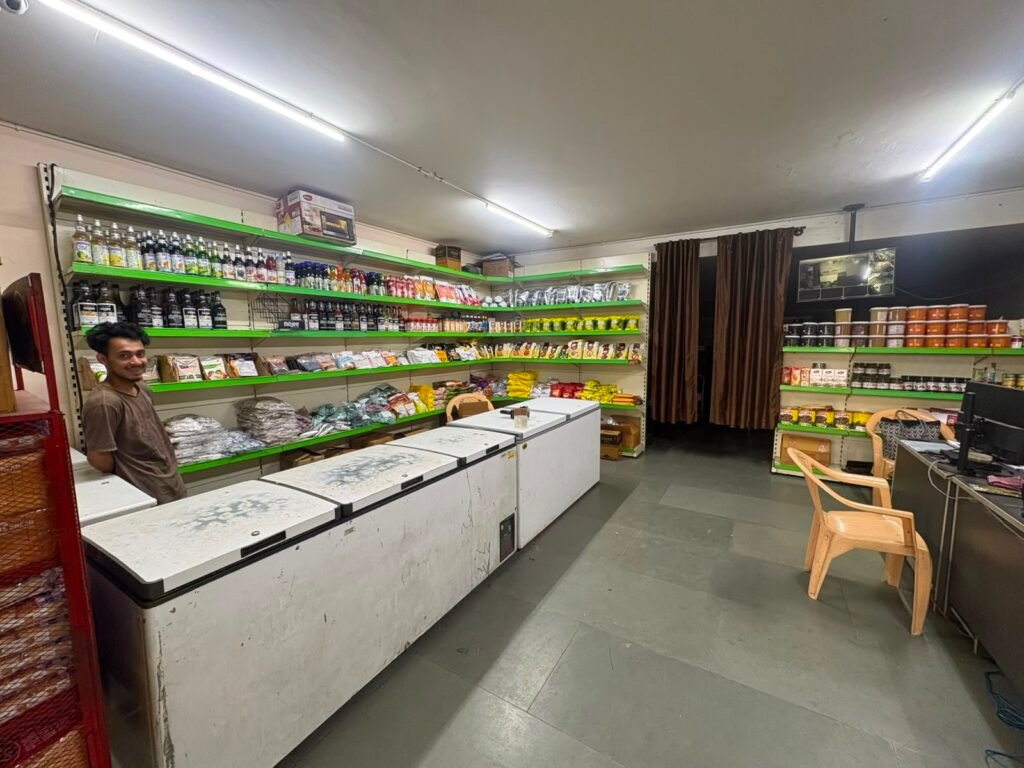
Reflecting this broader shift, Shagun Ventures has steadily expanded its offerings through The Food Mall, its foodservice distribution vertical, which caters to the diverse sourcing requirements of hotels, restaurants, cafés, bakeries and cloud kitchens. Its portfolio spans frozen foods, ready-to-eat gravies, instant meal mixes, beverage powders, sauces, ketchups, mayonnaise, desserts, snacks and other kitchen essentials, sourced from a wide range of domestic and international brands, including Pyramid, Tropolite, ShimlaRed, Pansari, HyFun, Karamat, Meron, Makino, Kanwal and ZestiFusion. The breadth of this portfolio, coupled with value-added services, reflects the evolving role of distributors in helping foodservice operators streamline procurement while responding to changing consumer preferences and menu innovation.
The company has also broadened its offerings beyond conventional distribution by supporting customers through product development, menu consultation and sourcing specialised ingredients that help restaurants differentiate themselves in an increasingly competitive marketplace. “Our objective is to become a long-term growth partner rather than just another vendor,” says Tejus.
Technology is reshaping procurement and demand planning
Technology is becoming an indispensable tool for distributors as the foodservice industry grapples with fluctuating demand, changing consumer preferences and increasing supply chain complexities. In tune with the evolving ecosystem, Shagun has steadily integrated digital solutions into its inventory management and demand planning processes to improve forecasting accuracy, while minimising wastage.
By analysing historical sales trends, customer ordering behaviour and seasonal demand patterns, the company is able to optimise inventory levels and respond more effectively to changes in the market. Digital inventory management systems further enable real-time monitoring of product movement, allowing faster replenishment decisions and reducing the likelihood of stock shortages.
Looking ahead, Tejus believes Artificial Intelligence (AI) will significantly influence the next phase of foodservice distribution. “AI will play an increasingly important role in predictive demand planning, automated replenishment and identifying buying trends before they emerge,” he observes.
For distributors, he adds, the future lies in building resilient, data-driven supply chains capable of delivering greater efficiency for both suppliers and customers.
Balancing premium aspirations with value-conscious buying
While premium imported ingredients continue to gain traction among fine-dining restaurants, affordability remains equally critical for cafés, quick-service restaurants (QSRs) and cloud kitchens operating within tighter margins.
This, according to Tejus, requires distributors to maintain a carefully balanced product portfolio that caters to diverse customer segments without compromising on quality. “Premium establishments increasingly seek imported ingredients, speciality products and innovative food solutions that help elevate customer experiences and support menu differentiation.”
On the other hand, value-conscious operators prioritise consistency, affordability and dependable supply—factors that directly influence profitability. “Our strength lies in offering multiple options across different price points while maintaining strict quality standards,” he explains. Such flexibility enables foodservice operators to select products aligned with their brand positioning while ensuring reliability in quality and procurement.
Bengaluru’s HoReCa market continues to evolve rapidly
As one of India’s most vibrant foodservice destinations, Bengaluru continues to shape several emerging consumption trends influencing procurement decisions across the HoReCa ecosystem. “Among the most significant developments is the growing preference for convenience-oriented products, including ready-to-cook and semi-prepared ingredients that reduce kitchen preparation time while improving operational efficiency.” explains Tejus.
Meanwhile, restaurants are also placing greater emphasis on menu innovation, with increasing demand for international flavours, specialised ingredients and limited-period offerings that help maintain customer interest in a highly competitive market.

Tejus also points to rising demand for premium desserts, speciality beverages and snack-based concepts, particularly among cafés and QSRs catering to younger consumers. Despite these evolving preferences, cost management remains a major priority. Foodservice operators continue to seek suppliers capable of delivering consistency, dependable supply chains and value for money alongside innovative products.
“Today’s buyers are looking not merely for products, but for partners who can offer ideas, market intelligence and reliable service,” he stresses.
The distributor of the future: digital, intelligent & collaborative
Looking ahead, Tejus believes the next generation of HoReCa distributors will increasingly be defined by technology-enabled decision-making and deeper customer collaboration. Capabilities such as real-time inventory visibility, predictive demand planning, faster order fulfilment, digital procurement platforms and actionable business insights are expected to become standard industry requirements.
At the same time, sustainability, traceability and supply chain transparency are likely to emerge as important differentiators, as customers place greater emphasis on responsible sourcing and operational accountability. In order to prepare for this transition, Shagun is strengthening its digital infrastructure, expanding its product portfolio and fostering closer partnerships with both manufacturers and foodservice operators.

The company is also investing in identifying emerging food trends early, enabling customers to adapt more quickly to changing market demands. “Our vision is to evolve into a comprehensive foodservice solutions company that empowers hotels, restaurants and cafés with quality products as well as the expertise and support required to grow successfully in an increasingly competitive industry,” signs off Tejus.
