

-KH News Desk (editorial1@imaws.org)
The Karnataka State Hotels Association (KSHA) President G.K.Shetty has warned that the state government’s decision to implement revised minimum wages, will lead to a steep rise in food prices across hotels and restaurants.
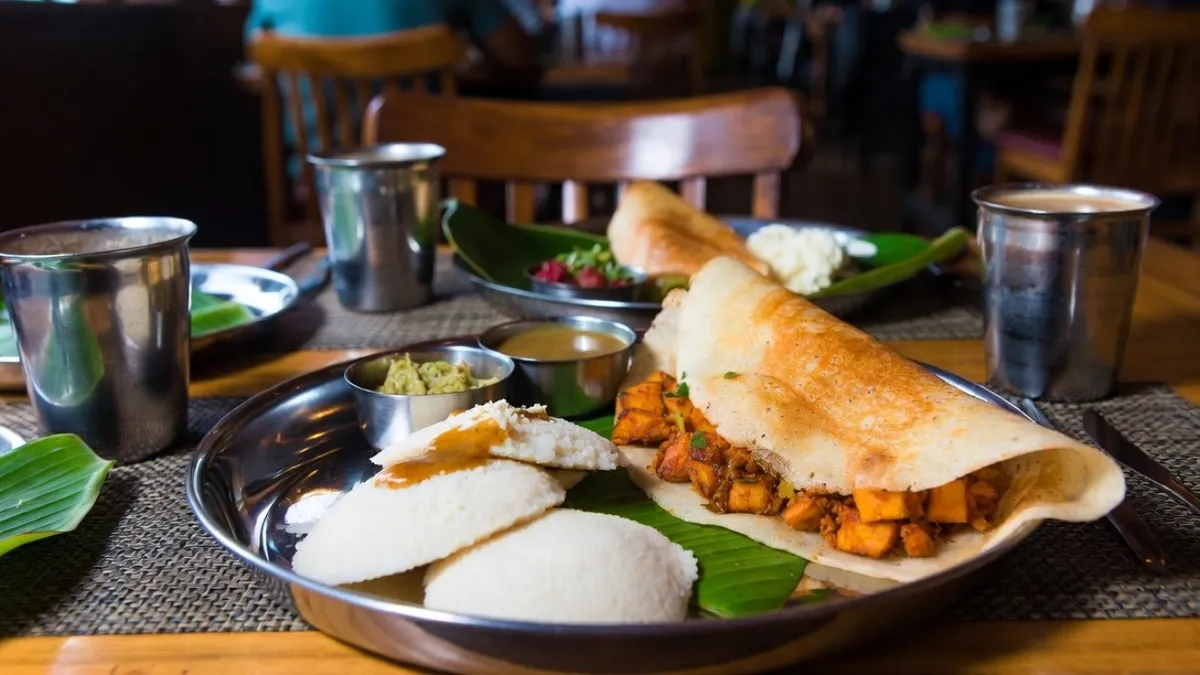
He said the average increase of minimum wages is about 60% from the current wages. This will impact the restaurants severely, he said and added that a plate of Idli may jump to Rs.80/- from the present Rs. 50/-and Masala Dosa to Rs. 150 from Rs. 80-90. Vegetarian meals priced at ₹150-200 may go up to ₹250-300 and biryani dishes in Bengaluru could rise from ₹300-350 to nearly ₹500. With such increases, eating out will become more expensive for ordinary citizens, impacting the hotel industry. The government has revised minimum wages, ranging from 23376/-GBA.(₹19,300 for zone -3 taluk level) or for an unskilled worker in Zone 3 to ₹31,100 for a highly skilled worker in Zone 1. The average increase in minimum wages is about 60% over current wages.
Shetty said that the nearly 60 percent increase in minimum wages would significantly raise operating costs for hotels, particularly small and family-run establishments already struggling with rising expenses. The price of commercial LPG cylinder had been hiked from Rs. 1,884 to Rs. 3,152 in just a few months, all the groceries, power tariffs & Garbage cess rates also hiked, adding to the strain of small hoteliers, Shetty pointed out that the hotel sector already provides several welfare benefits to workers, including food, accommodation, uniforms, and washing allowances, unlike many other industries. “Hotels are not like other sectors. We provide food, lodging, and other facilities to employees. The government should have considered the unique nature of the hospitality industry before imposing such a steep wage hike.” The association, he said, had appealed to the Karnataka government to classify the hospitality sector separately while implementing minimum wage revisions, but their request was not accepted.
The Association has urged the government to reconsider the implementation of the Minimum Wages for the hotel industry and prevent widespread hardship for small hotel operators and consumers alike. It creates unemployment. Ultimately, they are moving to the unorganized sector (petty shops, footpath vendors).
