

-B Swaminathan (swami@imaws.org)
The morning ritual across Asian metropolises is shedding its local skin. While the region has long been defined by a dizzying array of breakfast alternatives—from savory rice porridges to street-side noodles—a creamy, protein-packed staple of the West is carving out a permanent residence. Peanut butter is no longer just a nostalgic spread for a quick sandwich; it has become the centerpiece of a regional shift toward convenience and nutritional density.
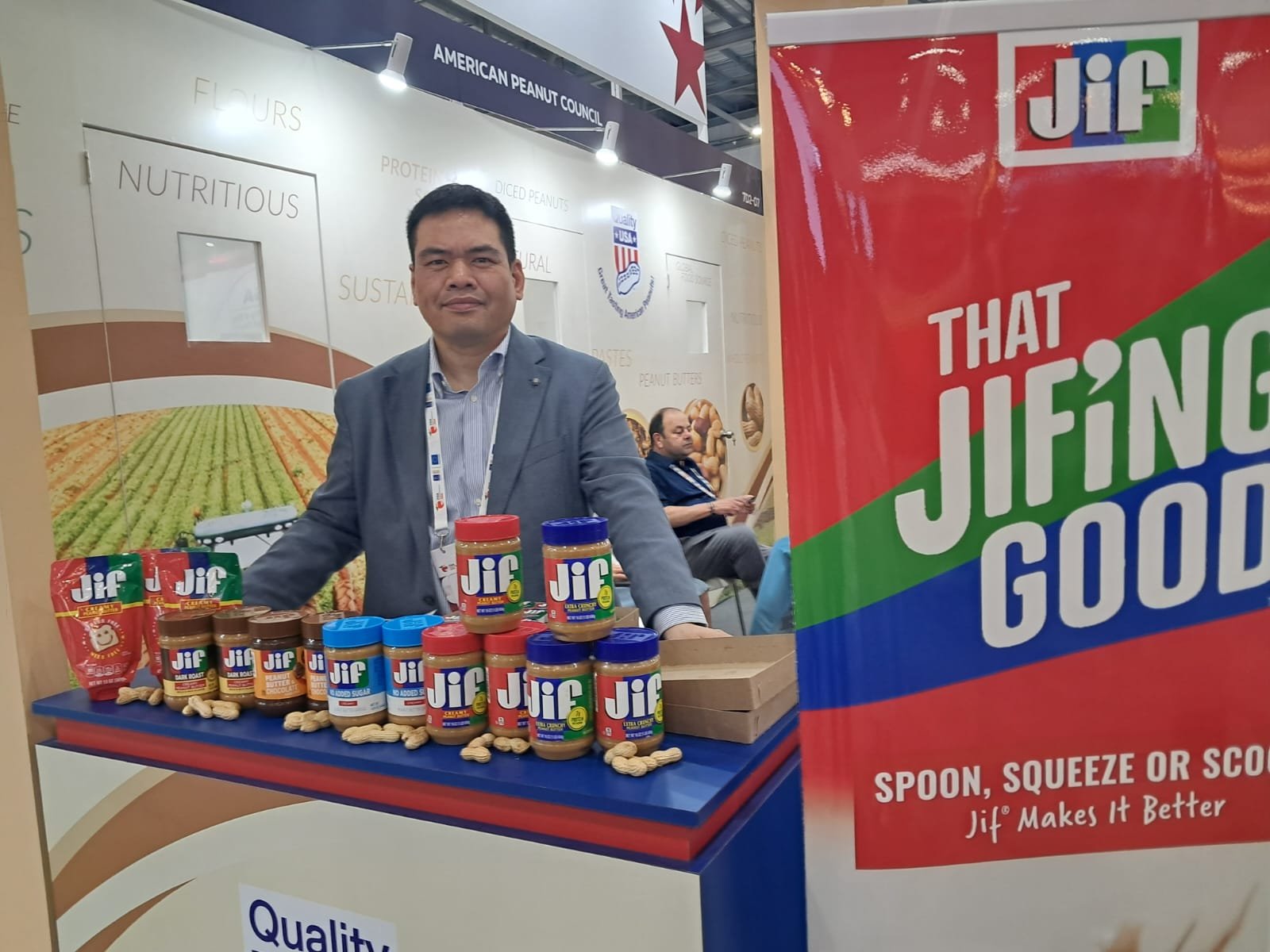
For Patrick Ng, representing the J.M. Smucker Company’s iconic Jif brand, this isn’t just about changing tastes; it’s about a fundamental evolution in how the HoReCa (Hotel, Restaurant, and Cafe) sector views the humble legume. “I believe that Asia definitely has a lot of breakfast options or solutions,” Ng notes. “But I can also see that peanut butter is one of the growing trends. It is not just a spread, but also a good source of protein, and it is very convenient to use.”
Beyond the Jar: Packaging for the High-Speed Professional Kitchen
In a region where efficiency defines the bottom line, the traditional glass jar is increasingly seen as a relic by professional operators. Jif is responding with a diversification of formats tailored specifically for the food service environment. For large-scale operations, the brand offers four-pound cans, but it is the move toward portability and precision that marks the current era of innovation.
“We are focusing very much on food service,” Ng explains. “The format will be different; we have the portion pack, which is a small portion that you can use anywhere, on any occasion, to spread on bread or other food. Recently, we also have an innovation: a pouch format. You don’t need a knife to spread it; you can just squeeze it out. That’s very convenient for the food service side.”
This shift from bulk storage to precision application is more than a packaging gimmick. It addresses the rising labor costs and hygiene standards in modern Asian kitchens, allowing chefs to integrate the spread into pastry and bakery products with minimal waste.
The Premiumization of a Commodity: Dark Roasts and Global Logistics
As the market matures, the competition between nut varieties has sharpened. While cashews and almonds have entered the fray, peanuts remain the undisputed heavyweight of the category. Ng attributes this to both cultural familiarity and a superior price-to-value ratio. “Peanut butter is still the number one favorite for most people. Many people grew up with it, and it is one of the easiest spreads to access. If you look at the pricing, peanut butter is definitely more commercial and accessible compared to almond or other butters.”
To stay ahead of the curve, Jif is moving toward ‘premiumization’ with flavor profiles that appeal to a more sophisticated palate. “We will continue bringing new flavors and innovations to the region,” says Ng. “For example, we recently launched Jif Dark Roast. It’s a creamy peanut butter with more flavor and more aroma in the product, which we don’t see our competitors doing. Last year, we also launched a chocolate peanut butter, and people love it.”
The logistics of fueling this growth remain anchored in American manufacturing. Despite being a global household name, every unit of Jif distributed in Asia is produced in the United States and shipped to a network of regional partners. “Our distribution strategy in Asia is very simple,” Ng concludes. “We rely on our good distributors to distribute and market our product. All our products are made in the US and exported to the Asia market. Our distributors then do a wonderful job in each individual market.”
